Barrier First
The Los Angeles Barrier Repair Routine That Survives Santa Ana Winds
Dry desert wind, hard water and year-round sun make LA unusually punishing on the skin barrier. Here is a routine built around humectants, ceramides and restraint.
Updated October 6, 2026
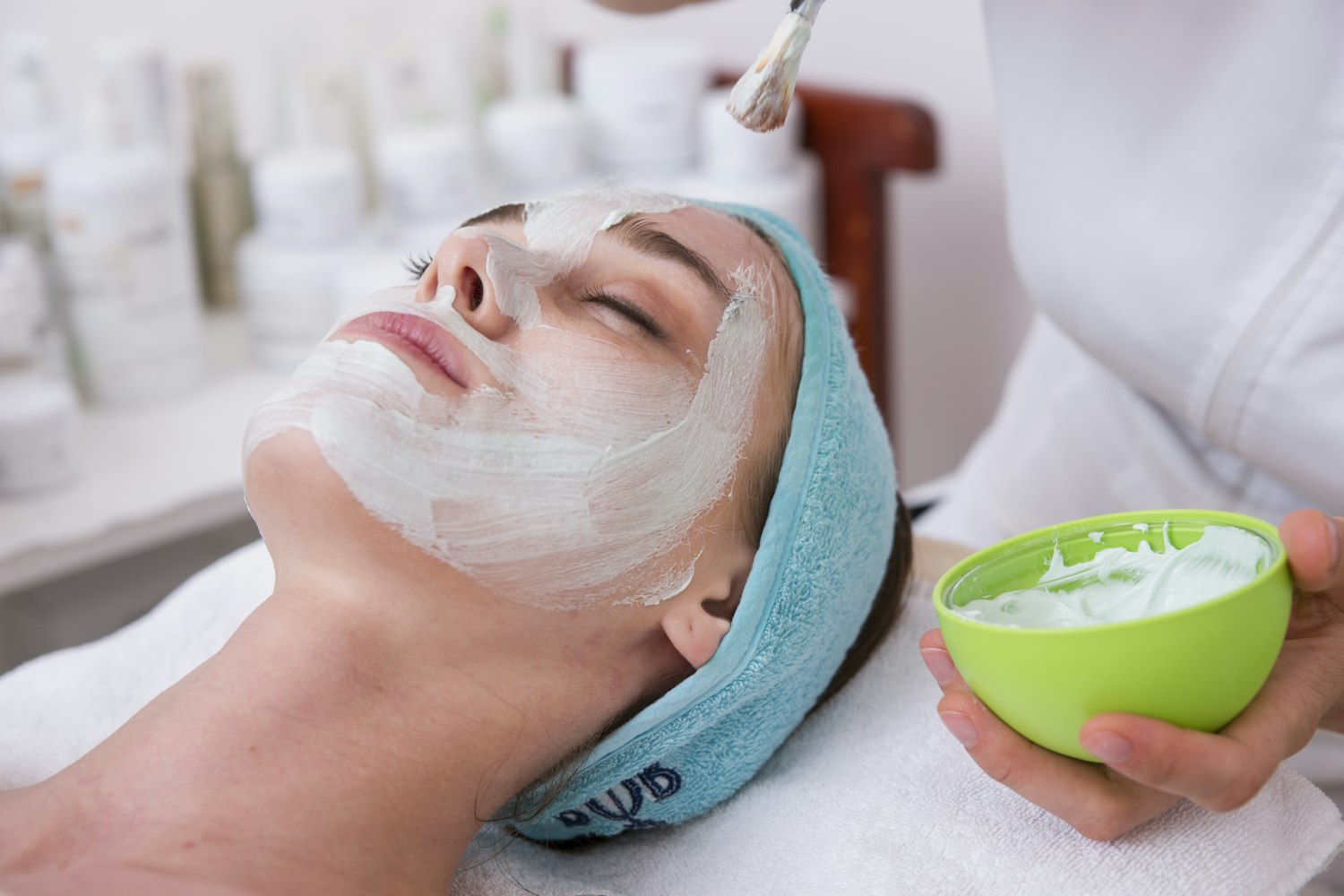
Los Angeles is a strange place to have skin. The city sits in a semi-arid basin where relative humidity can drop into the teens during a Santa Ana wind event, then climb back into the fifties the following week. The sun is strong enough in February to burn a face that spent the morning outdoors. And depending on which part of the city you live in, the water coming out of the tap carries enough calcium and magnesium to leave a film on glassware.
That combination does something specific to the skin barrier — the outer layer of dead cells and lipids that keeps water in and irritants out. When it thins, you get tightness after washing, stinging when you apply products that never used to sting, dull texture and a peculiar kind of surface shine that is dehydration rather than oil.
This guide is about rebuilding that barrier without turning your bathroom into a chemistry set.
What the barrier actually is
The stratum corneum is often described as a brick wall: corneocytes are the bricks, and a lipid matrix of ceramides, cholesterol and free fatty acids is the mortar. Roughly half of that mortar is ceramide by weight. When the mortar is depleted — by over-cleansing, by harsh actives, by cold dry wind, by simply getting older — water escapes faster than the body can replace it.
Everything that follows is aimed at one thing: restoring the mortar faster than daily life removes it.
The four-step routine
Step 1 — Cleanse less aggressively than you think you should
If your skin feels tight after washing, the cleanser is the first suspect, not the last. In LA’s water, a foaming gel with a high pH will strip lipids and leave mineral residue behind.
Look for a low-pH cleanser — roughly pH 4.5 to 5.8 — built on amino acid surfactants or a non-ionic system. Cream and milk cleansers are better than gels if your skin is currently reactive.
Wash with lukewarm water, not hot. Thirty seconds of contact time is enough in the evening; in the morning, many people in this climate do better rinsing with water alone.
Step 2 — Apply a humectant to damp skin
Hyaluronic acid, glycerin, panthenol and beta-glucan all pull water toward the surface. The trick most people miss is timing: these ingredients need to go on skin that is still damp, then be sealed immediately. Applied to dry skin in 15 percent humidity, a hyaluronic serum can draw moisture out of the deeper layers and leave the surface tighter than before.
Glycerin does this job more reliably than the more heavily marketed molecules, and it costs a fraction as much. A glycerin-forward hydrating serum is one of the few places where the inexpensive option is genuinely the better one.
Step 3 — Seal with ceramides and cholesterol
This is the step that actually repairs. A well-formulated barrier cream lists ceramides (often as ceramide NP, AP or EOP), cholesterol and a fatty acid such as stearic acid. The three work together; a product with ceramides but no cholesterol is only doing part of the job.
The ratio matters more than the percentage. Research on barrier repair formulations has consistently landed near a 3:1:1 ceramide-to-cholesterol-to-fatty-acid ratio, and formulators design around that. You will not find the ratio on a label, but products marketed specifically for barrier repair usually follow it.
Petrolatum and squalane are legitimate occlusives and are not the villain they were made out to be in the 2010s.
Step 4 — Sunscreen, every morning, without negotiation
UV exposure degrades barrier lipids and slows repair. In Los Angeles the UV index reaches 8 to 10 for much of the year, and it does not care that it is January.
A mineral or hybrid SPF 30 to 50 is enough. The best sunscreen is the one you will actually reapply, so texture is a legitimate selection criterion. If you are currently avoiding sunscreen because it stings, that is a sign your barrier is compromised — treat that first, then reintroduce.
What to stop doing
| Habit | Why it hurts here |
|---|---|
| Daily physical exfoliation | Abrades an already-thin barrier; LA’s dry air slows recovery |
| Foaming cleanser twice a day | Strips lipids; morning water rinse is usually enough |
| Layering acids and retinoids nightly | Compounding irritation without compounding benefit |
| Hot showers | Dissolves surface lipids; noticeable in winter |
| Alcohol-heavy toners | Defat the surface and increase water loss |
| Adding a new product every week | Makes it impossible to identify what is helping |
The two-week reset
If your skin is currently reactive, the most effective intervention is subtraction, not addition.
For fourteen days: one gentle cleanser, one ceramide moisturiser, one sunscreen. No actives. No exfoliants. No essences. Then reintroduce one product at a time, with at least a week between additions.
Most people who try this report that texture improves before anything else — usually around day nine or ten. Redness takes longer, often three to four weeks.
Where to spend and where to save
The money in a barrier routine should go to the moisturiser, because the ceramide system and the emulsifier quality are what you are actually paying for. Cleansers rinse off; a $12 low-pH cleanser performs nearly identically to a $45 one. Sunscreen is worth paying for if it means you will wear it.
Hydrating serums are the opposite case. Glycerin and water cost almost nothing, and the expensive versions rarely outperform a basic formula.
Products worth looking at
We have not run clinical measurements on any of these. The recommendations below are based on published ingredient lists, formulation logic and how the products behave under the conditions described above.
Barrier moisturisers. Look for ceramide NP plus cholesterol plus stearic acid, with petrolatum or squalane in the first third of the list. Fragrance-free is the safer choice for reactive skin.
Low-pH cleansers. Amino acid surfactant systems, no fragrance, no essential oils. Cream texture if your skin stings.
Glycerin-forward hydrating serums. Short ingredient lists perform better here than long ones.
Links on this page go to retailer search results rather than specific listings, because product naming changes faster than we can track it. Check the current price before you buy — beauty pricing moves constantly, and the barrier products in particular go on promotion several times a year.
The bottom line
Los Angeles asks a lot of your skin barrier and gives back very little humidity in return. The routine that works here is not complicated: cleanse gently, hydrate on damp skin, seal with ceramides, wear sunscreen, and stop adding things.
If you take one thing from this guide, make it the two-week reset. Most barrier problems are caused by too many products rather than too few.
Tested Glow may earn a commission from links on this page. We do not accept payment for placement, and no brand has reviewed or approved this article before publication.
Frequently asked
How long does a damaged skin barrier take to recover?
Most dermatology guidance points to two to four weeks of gentle cleansing, consistent moisturising and sunscreen before the barrier re-establishes itself. If stinging, redness or flaking persists past that window, it is worth seeing a dermatologist rather than adding more products.
Do I need a separate barrier serum and barrier cream?
No. A single well-formulated moisturiser with ceramides, cholesterol and fatty acids covers the same ground. Layering two barrier products rarely adds benefit and can make sunscreen pill.
Is hard water really a problem in Los Angeles?
LA's water supply runs moderately hard, and hardness varies by neighbourhood and by how much imported water is in the mix. Many people notice tightness and dullness after cleansing. A chelating or low-pH cleanser usually helps more than a filter.