Deal Math
How to Read a Beauty Deal (and When to Skip It)
Percentage-off claims, bundle math and per-ounce pricing — the three calculations that tell you whether a promotion is real.
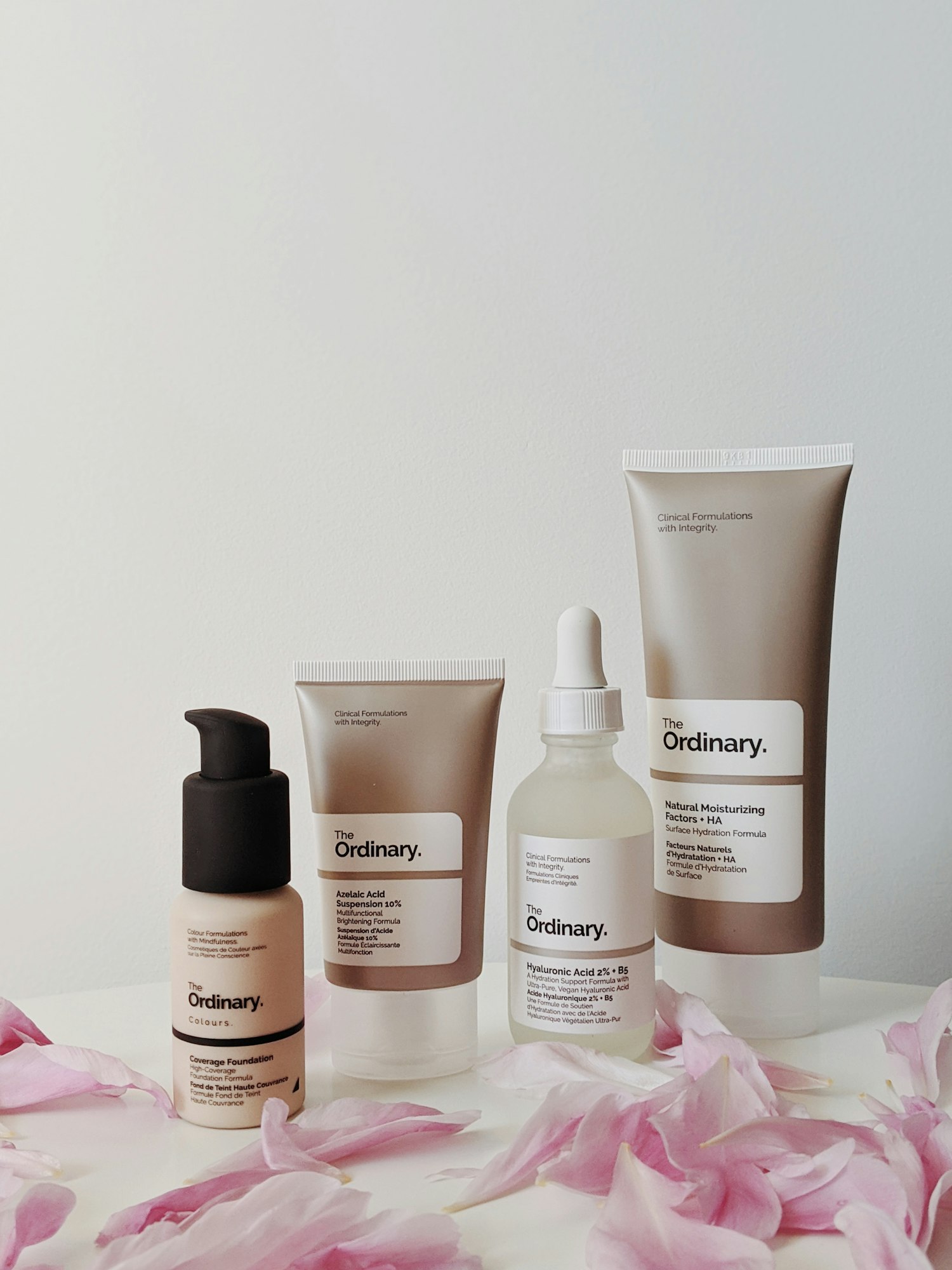
A beauty promotion is a small arithmetic problem dressed up as an emergency. “40% off” tells you almost nothing on its own — not what the baseline was, not what you are comparing against, not whether the size changed.
Three calculations cover almost every situation.
Calculation 1: the real baseline
Percentage-off claims reference a list price that may not be real.
The check: what did this product cost 30 to 90 days ago? If you have been watching it, you know. If not, a price history tool answers it in seconds.
Common patterns that make a discount look bigger than it is:
- The list price was raised recently. A product that sold at $30 for a year, relabelled at $60, then discounted to $36 is not 40 percent off — it is 20 percent more expensive.
- The discount matches the usual street price. Some brands are permanently “on sale” at 20 percent off. A 20 percent promotion is the normal price.
- The sale is on a bundle. “40% off” on a set containing two full-size and four sample items is a discount on the set, not on the product you wanted.
Calculation 2: per-unit pricing
This is where most beauty purchases actually go wrong, and it has nothing to do with the promotion.
| Size | Price | Per oz |
|---|---|---|
| 0.5 oz | $22 | $44.00 |
| 1.0 oz | $34 | $34.00 |
| 1.7 oz | $52 | $30.59 |
| 3.4 oz | $88 | $25.88 |
The pattern is consistent across the category: the smallest size carries a trial premium, the largest carries a volume discount, and the middle size is almost always the worst value.
Two implications:
- If you have already tried and liked a product, the large size is nearly always the better purchase, even without a discount.
- If you are trying it for the first time, the small size is worth the premium. Paying $44 per ounce to find out you hate something is cheaper than paying $26 per ounce for four ounces you will not use.
Calculation 3: the sample and bundle value
Gift-with-purchase promotions are psychologically effective and mathematically weak.
The rule: value the gift at what you would actually pay for it. For most people, that number is close to zero, because the samples are products they did not choose and would not have bought.
Exceptions where the GWP is genuinely valuable:
- The samples are of products already on your list
- The samples are a size you can genuinely evaluate (5ml of a serum is two weeks, which is enough to judge texture but not results)
- You were going to buy the main product at full price anyway
If any of those apply, GWPs can beat a percentage discount. If none apply, a 20 percent discount is usually better than a bag of things you will not use.
The seller check
On marketplaces, the discount can be an artefact of who is selling.
Check three things before buying beauty from a marketplace:
- Who ships it. The brand or the marketplace itself is safer than a third-party seller.
- The price versus the brand’s own site. If it is significantly cheaper, ask why.
- The listing quality. Counterfeit beauty is a real category, particularly in prestige skincare and fragrance. Stock photos, unusual packaging descriptions and prices far below retail are all signals.
Four questions before any beauty purchase
- Would I buy this at full price if there were no promotion?
- Am I buying it because of the discount or because of the product?
- Have I checked the per-ounce price against the size I actually use?
- Will I finish it before it expires?
If the answer to question one is no, the discount is doing the deciding, and that is the definition of a purchase you will regret.
A note on urgency
Countdown timers, “only 3 left” and “ends tonight” are conversion mechanics, not inventory facts. Beauty promotions recur on a predictable calendar. Missing one costs you weeks, not months.
The rational response to urgency messaging is to close the tab and come back in 24 hours. If you still want it, the product will still be there.
Links on this page go to retailer search results so you can compare current prices across sellers rather than relying on a single listing’s claimed discount.
Bottom line
Check the real baseline, calculate per-ounce, value gifts at what you would pay, and verify the seller. Four checks, two minutes, and most “deals” reveal themselves as either real or theatre.
Tested Glow may earn a commission from links on this page. We do not accept payment for placement.
Frequently asked
Is a gift-with-purchase better than a percentage discount?
Only if you would have bought the gift items anyway. Value the samples at what you would pay for them, which is usually close to zero for things you did not want.
Why is the per-ounce price so different between sizes?
Brands price the smallest size at a premium because it is the trial size, and the largest size at a discount to encourage volume. The middle size is often the worst value per ounce.
Are marketplace prices reliable?
Only when the seller is the brand or an authorised retailer. Third-party listings can be above retail, and in prestige beauty the counterfeit risk is genuine. Check who ships the item.