Less Palette
Building a Five-Pan Eyeshadow Wardrobe
You do not need a 35-pan palette. Five well-chosen shades cover daytime, evening and everything between — and they will actually get used.
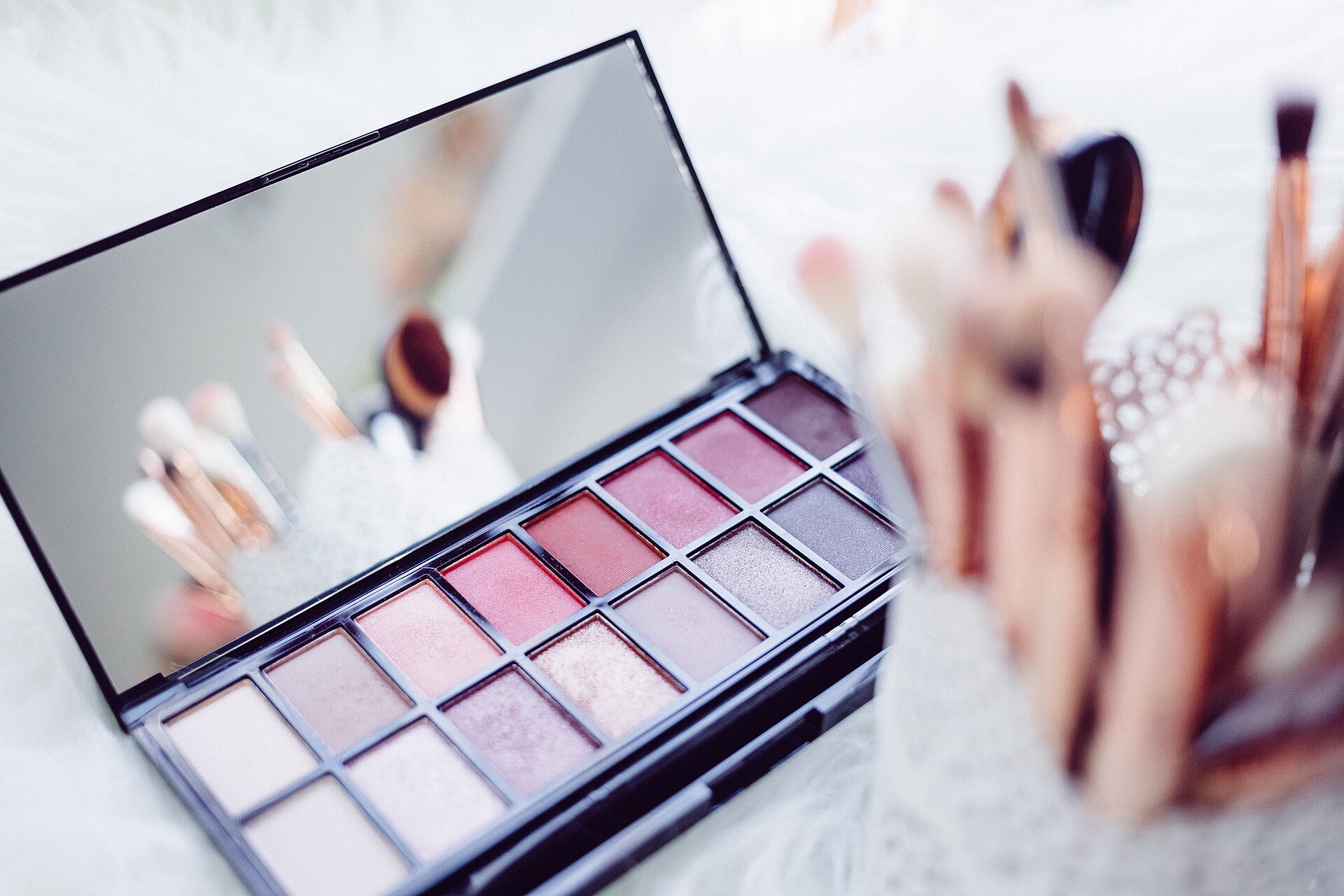
Most eyeshadow is bought and never used. The average large palette contains thirty shades, of which four get touched. The rest are a colour story designed to sell, not a working set.
Five shades, chosen correctly, cover more ground than thirty chosen randomly. Here is the set that does it, and why each one earns its place.
The five
1. A matte shade one step deeper than your skin
This is the transition shade and the most-used pan in any wardrobe. It goes into the crease to create depth without colour, and it also works as a one-swipe wash for a bare-face day.
Match it to your skin’s undertone — warm skin wants a warm taupe or soft caramel, cool skin wants a greyish brown, deeper skin wants a rich cocoa. Get this one right and everything else is optional.
2. A matte deep brown or charcoal
For definition. This is your liner, your outer-V shade, and your brow filler if you run out of brow product. It should be dark enough to read as a line but not so black that it looks harsh.
3. A shimmery mid-tone
The easiest single-shadow look in existence. Applied with a finger across the whole lid, it reads as “made an effort” in about eight seconds. Champagne, rose gold, bronze and soft copper all work; pick the one closest to the colour your skin flushes.
4. A deep metallic or satin
The evening shade. Applied over the matte brown at the lash line and blended upward, it gives a smoky effect without the difficulty of a true smoky eye. This is the pan that makes the set feel complete.
5. One colour you simply like
This is deliberate. Palettes curated entirely around “wearable neutrals” are boring, and boring palettes get abandoned. One olive, one plum, one terracotta — whatever you actually want to wear. It keeps the set in use.
What this set covers
| Look | Shades used |
|---|---|
| Barely-there daytime | 1 (all over) |
| Soft definition | 1 + 2 in the crease and lash line |
| One-and-done shimmer | 3 alone |
| Evening smoke | 1 + 2 + 4 |
| Statement | 5 + 1 as transition |
That is five looks from five pans, which is more than most people get from a thirty-pan palette.
Technique notes that matter more than the shades
Blend the transition shade first, in a windscreen-wiper motion. Most harsh eyeshadow comes from starting with the dark shade and trying to diffuse it afterward. Build from light to dark, always.
Place colour where your eye socket actually is. Run a finger along the bone under your brow; the crease is where the socket dips. For hooded eyes, the visible crease sits higher than the anatomical one.
Keep the shimmer on the lid, not the crease. Shimmer in the crease reads as texture rather than depth.
Clean the brush between shades. A dirty brush is why neutral looks turn muddy.
On palettes versus singles
A well-made palette is cheaper per pan than singles, and it gives you a coherent colour story. The problem is that most palettes include four or five shades nobody wants.
Two approaches work:
- Buy a five-to-nine pan palette with a genuine range from light matte to deep metallic, then supplement with one or two singles.
- Build from singles if you already know exactly what you use. More expensive per pan, but zero waste.
For anyone starting out, approach one is faster. Most brands now make compact nine-pan palettes that cover everything above.
What to spend on
Worth paying for: matte formula quality. Cheap mattes are chalky, patchy and hard to blend, and this is where the price difference is most visible.
Save on: shimmers. Pressed shimmer is technically easier to make, and drugstore options perform close to premium ones.
Skip: setting sprays marketed specifically for eyeshadow, and brushes sold in fourteen-piece sets. Three brushes — a flat shader, a fluffy blender and a small detail brush — cover everything above.
We have not conducted wear testing on specific products. These recommendations are based on formulation characteristics and standard technique.
Bottom line
Five shades, correctly chosen, will outperform a thirty-pan palette that intimidates you. Start with the transition shade, and pick the fifth pan for pleasure rather than utility.
Links here go to retailer search results — check current pricing and shade availability, since palettes are frequently reformulated.
Tested Glow may earn a commission from links on this page. No brand reviewed this article.
Frequently asked
Powder or cream eyeshadow?
Cream for speed and a natural finish, powder for precision and blending. In a dry climate, cream formulas can crease less than powder because they do not dehydrate the lid as much. An eye primer helps either way.
Do I need an eye primer?
If your shadow creases or fades within a few hours, yes. If it does not, you can skip it. Oily lids benefit most.
How long does eyeshadow actually keep?
Powder shadow stays usable for years if kept dry. Cream formulas are typically good for 12 to 18 months after opening. If a cream shadow changes smell or texture, replace it.